
Herbert Irving
Comprehensive Cancer Center

pathways to a cure
Annual report

2025

Our Comprehensive Impact
The Herbert Irving Comprehensive Cancer Center earned renewed Comprehensive Cancer Center designation from the National Cancer Institute for 2025–2030, with $27 million in funding to strengthen cancer research and patient care for the 11 million people we serve across the New York City metropolitan region and beyond.
NCI logo

Vision

Our discoveries here will end cancer everywhere.

Mission

Working together, we empower innovation and discovery in cancer research, prevention, early detection, therapy and survivorship to reduce the burden of cancer for our patients, our community and the world.
The Herbert Irving Comprehensive Cancer Center (HICCC) is the home for cancer research and patient care at Columbia University and NewYork-Presbyterian/Columbia University Irving Medical Center. Our cancer center researchers and physicians are dedicated to understanding the complex biology behind cancer, from before it begins to its evolution and spread.
Here at the HICCC
Herbert Irving Comprehensive Cancer Center Director Anil K. Rustgi stands on a staircase against a dark brown background, wearing a suit and blue tie with his hands folded in front of him.

Director’s Message

Every breakthrough begins with a question—how can we do more, go further, and bring hope to more people facing cancer? At the Herbert Irving Comprehensive Cancer Center, that question drives everything we do. With our redesignation as an NCI Comprehensive Cancer Center and renewal of our Cancer Center Support Grant for 2025–2030, we’re poised to build on our legacy of discovery and accelerate progress across the full spectrum of cancer research—from the lab bench, to the patient’s bedside, to the community.
Here at the HICCC

By the Numbers

The four research programs accelerate scientific discovery from genes to society.

500
publications on
the latest in
cancer research.

150
cancer outreach
events across New
York and New Jersey.

5,000
enrolled patients in state-of-the-art
clinical trials.

50%
of those patients came from an
underserved community.

New Frontiers

From re-engineering cells to fight cancer, to catching it before it begins, to understanding why it’s striking younger—HICCC scientists and clinicians are charting the next frontier of cancer research and care.
New Frontiers
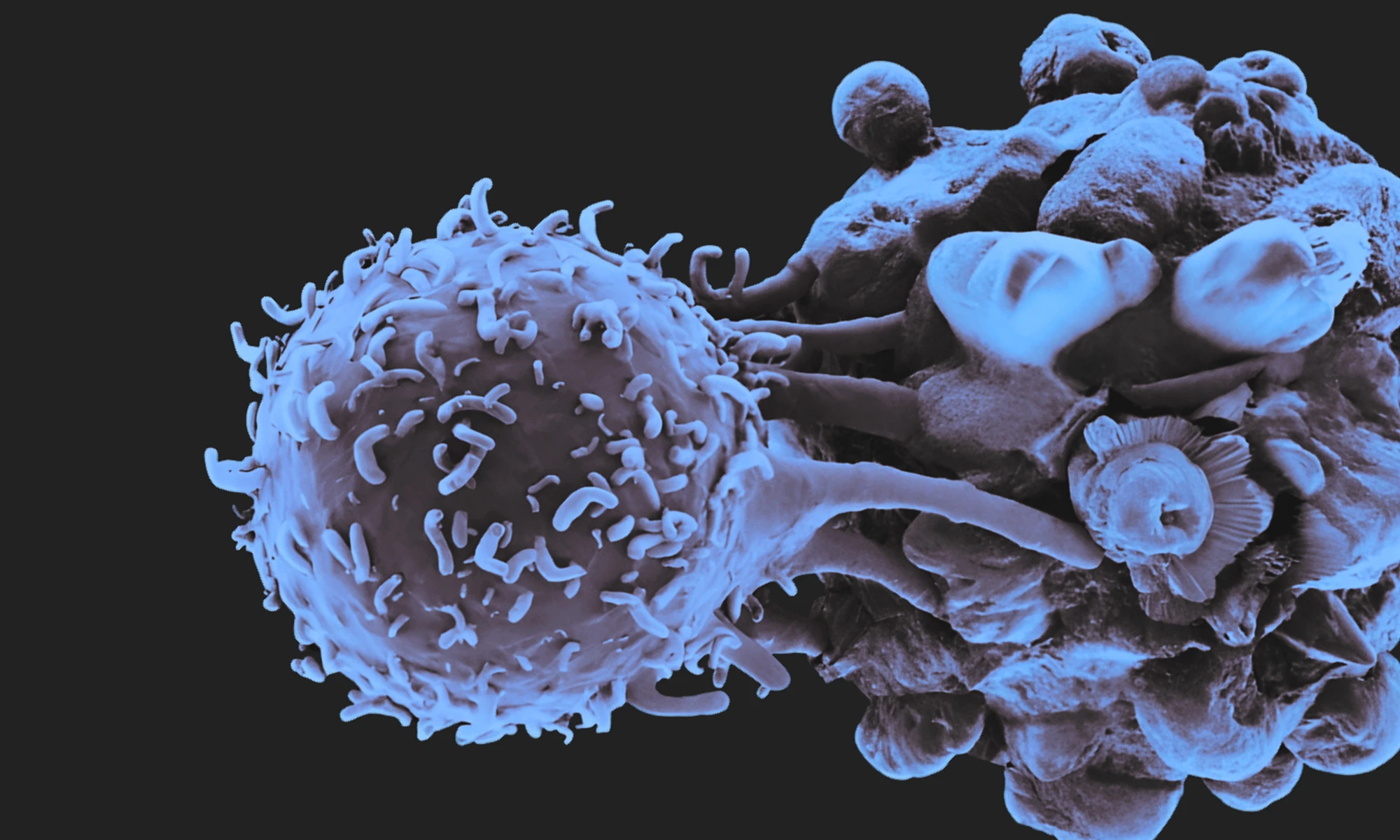
Microscopic image showing a blue fluorescent killer T cell lymphocyte attacking a cancer cell against a black background. The T cell appears above the cancer cell, its glowing structure highlighting the immune response in action.
A cytotoxic (‘killer’) T cell attacks a cancer cell.

From Cells to Cures: The Revolution of the Living Drug

At Columbia, a new generation of cell therapies—living medicines created from a patient’s own immune cells—is transforming how cancer is treated.
Cancer care has long relied on successive courses and combinations of therapy—chemotherapy, radiation, surgery—each designed to hold the disease in check, but rarely for long. Now, a new kind of therapy has shifted the narrative. Engineered from a patient’s own immune cells, cell therapy acts as a ‘living drug’ that endures in the body, continuing the work of treatment long after it’s delivered.
New Frontiers
Microscopic image of a circular organoid grown from cells of a tumor shown in grey with a black background and blue light emanating from the bottom.
Organoid tumor model created from cancer cells.

Cancer Is Getting Younger

Columbia researchers are looking for answers—and ways to stop this worrying trend.
When a young patient walked into Joel Gabre, MD’s clinic a few years ago with abdominal pain, no one expected the diagnosis. Within hours, scans revealed metastatic colorectal cancer. “That phone call, I will not forget,” recalls Dr. Gabre, a gastroenterologist at NewYork-Presbyterian/Columbia. “There was just silence on the other end because I had completely changed their life. It was shocking, scary—and as a scientist, my first thought was: why? Why is this happening?”
New Frontiers
Mammography image displaying breast tissue in shades of blue against a black background. The scan shows internal structures used to detect abnormalities or signs of breast cancer.
Traditional mammography scans hold untapped data that could lead to earlier cancer detection.

Predicting Cancer’s Path

Columbia’s researchers are using artificial intelligence to stop cancer in its tracks.
For decades, much of cancer research has focused on treatment, developing new therapies to counterattack the war being waged at the cellular level. But what if we could predict – and even prevent – cancer before it begins? Precision cancer prevention harnesses vast amounts of data, reading the subtle signals in our biology long before symptoms emerge.

MAKING A DIFFERENCE

At the Herbert Irving Comprehensive Cancer Center, we strive each day to help our patients live fuller, healthier lives. By expanding access to world-class cancer care, bringing prevention, screening, and treatment closer to the communities we serve, and creating pathways for the next generation of cancer researchers and clinicians, we are making a difference, ensuring that progress reaches everyone who needs it.
MAKING A DIFFERENCE

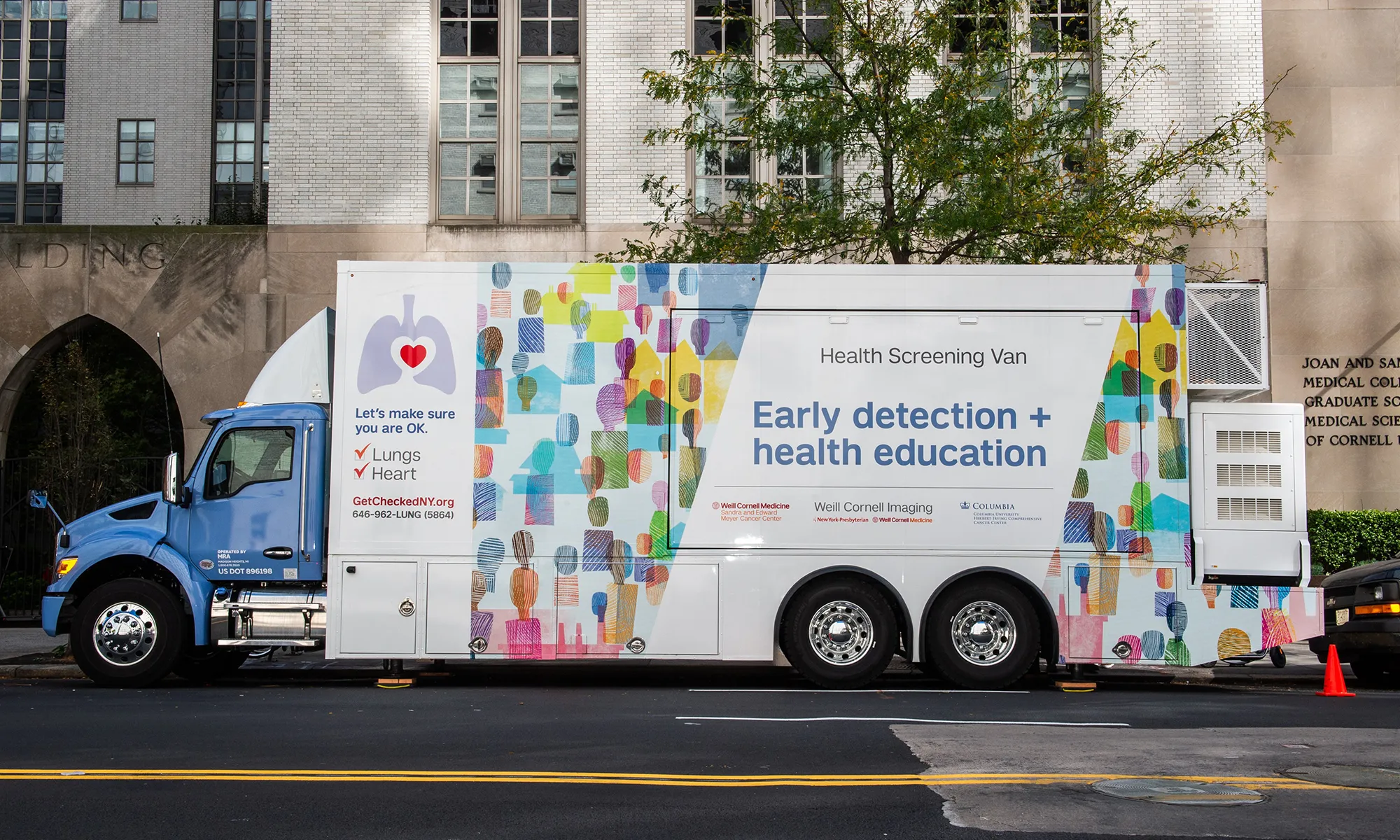
Lung Cancer Screening on Wheels  

New York City’s first mobile lung cancer screening van brings prevention closer to home
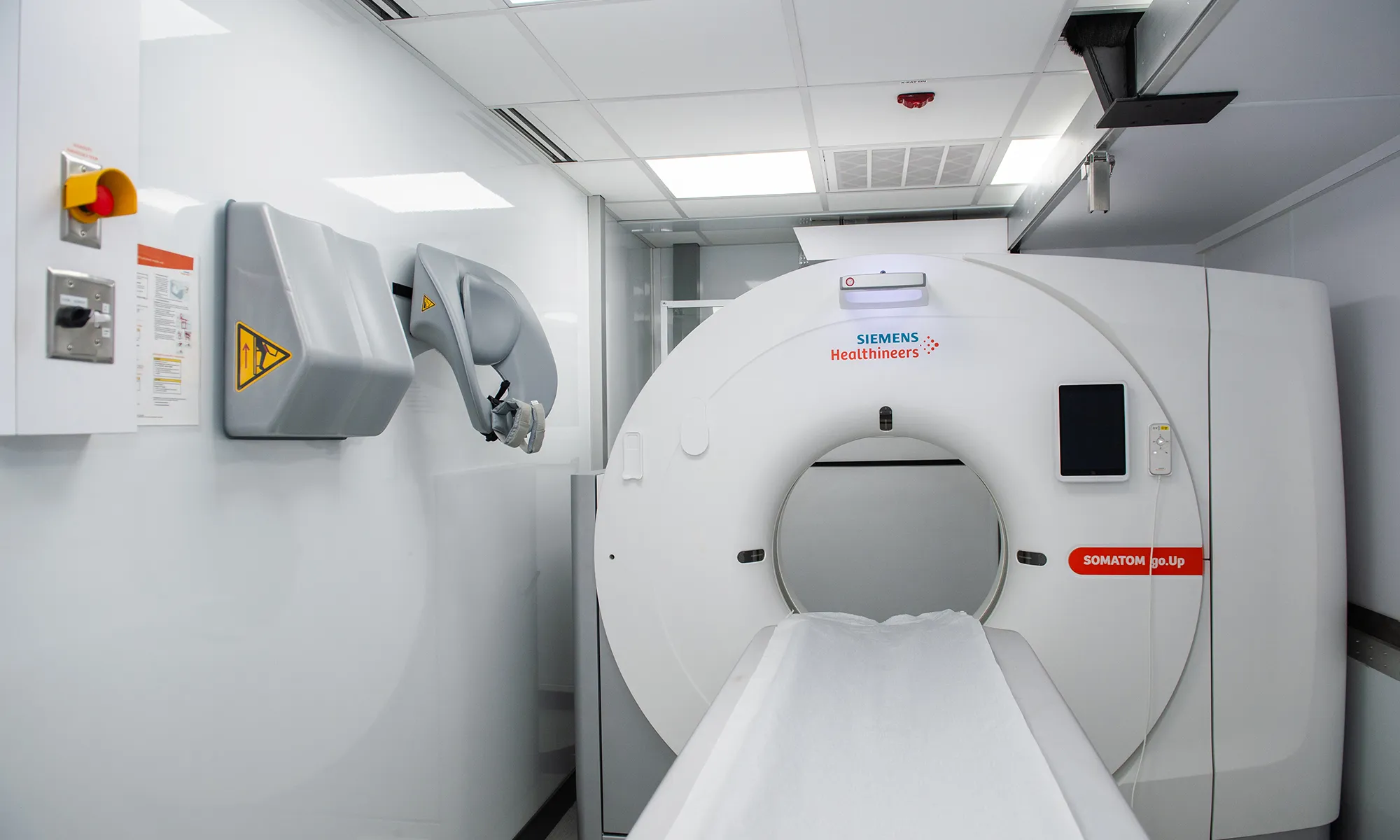
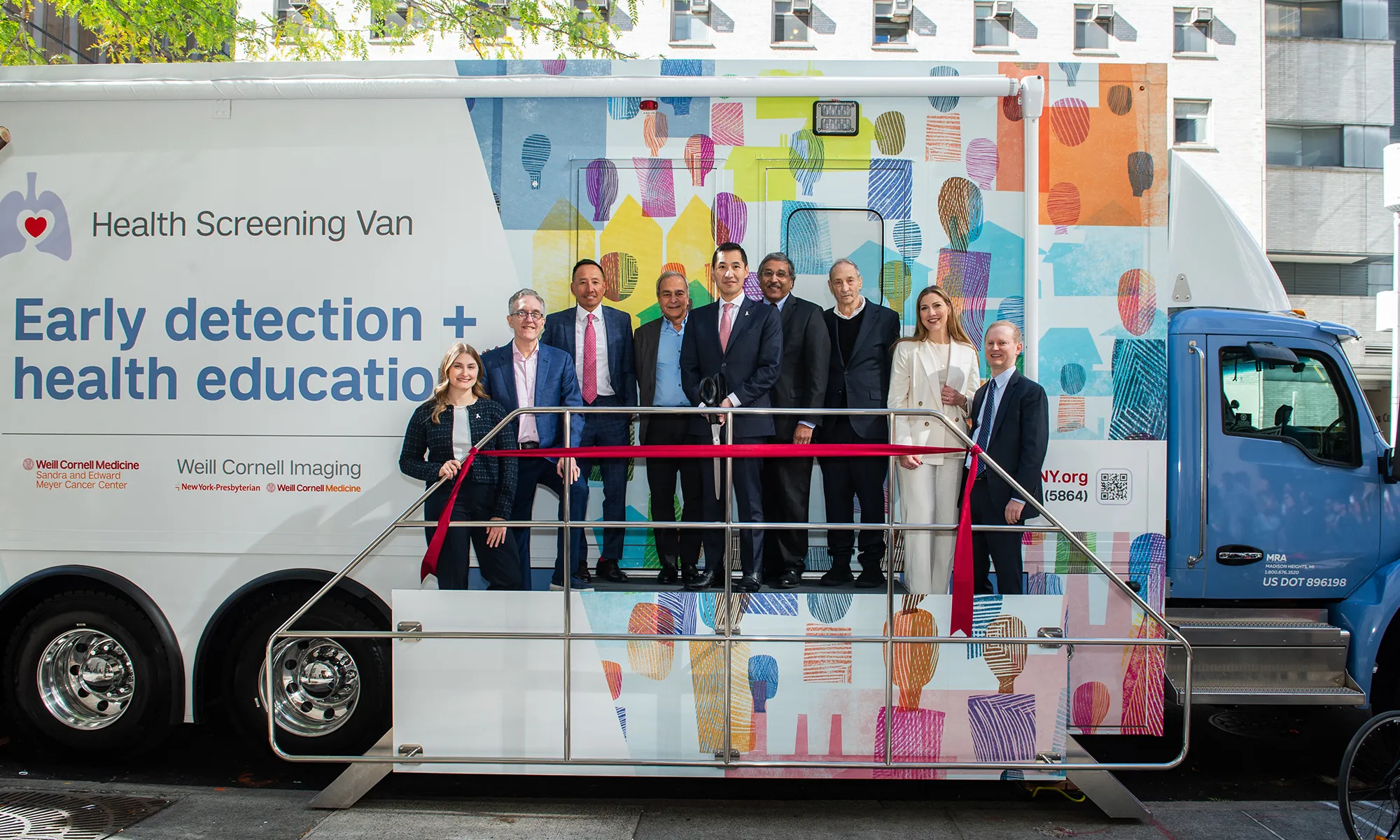
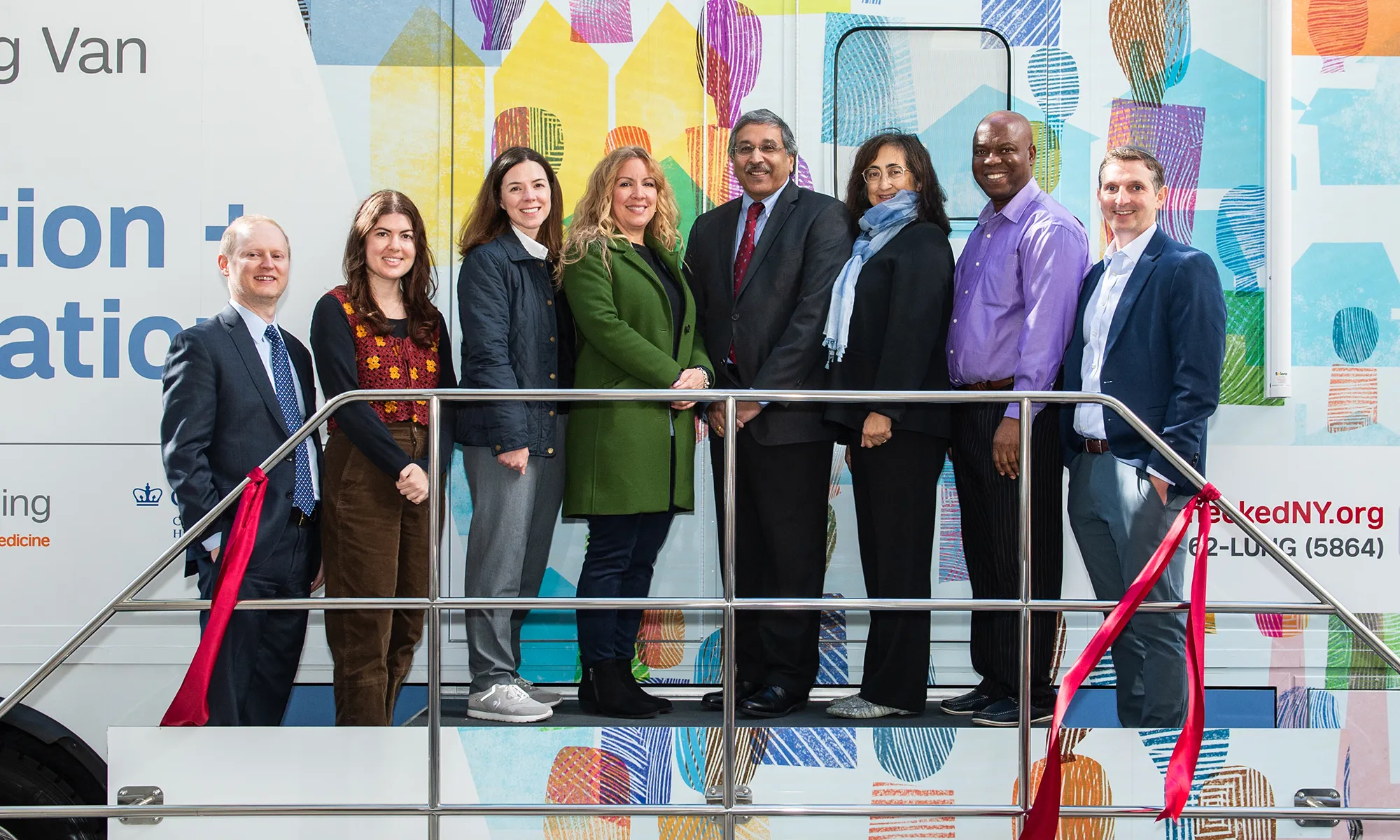
This year, a first-of-its-kind mobile van rolled onto the streets of New York City to deliver cancer prevention to the homes of millions. The mobile lung cancer and health screening van removes the biggest barriers in lung cancer prevention – geography and complexity- by meeting people where they are for their care. 
MAKING A DIFFERENCE
Yin Ling Leung stands at the base of Moro Rock with her arms raised.

Yin’s Story: New Hope, in a New York Minute
A devastating diagnosis led Yin across the country for a promising new clinical trial at Columbia- and a second chance made possible by science.
When Yin Ling Leung, from Seattle, Washington, received her diagnosis—stage IV pancreatic cancer—the news was devastating. For most, it would mark the start of a difficult, uphill battle. For Yin, it also became the beginning of a more literal journey that would take her across the country, guided by a series of fortunate coincidences, quick decisions, and life-saving research.
MAKING A DIFFERENCE

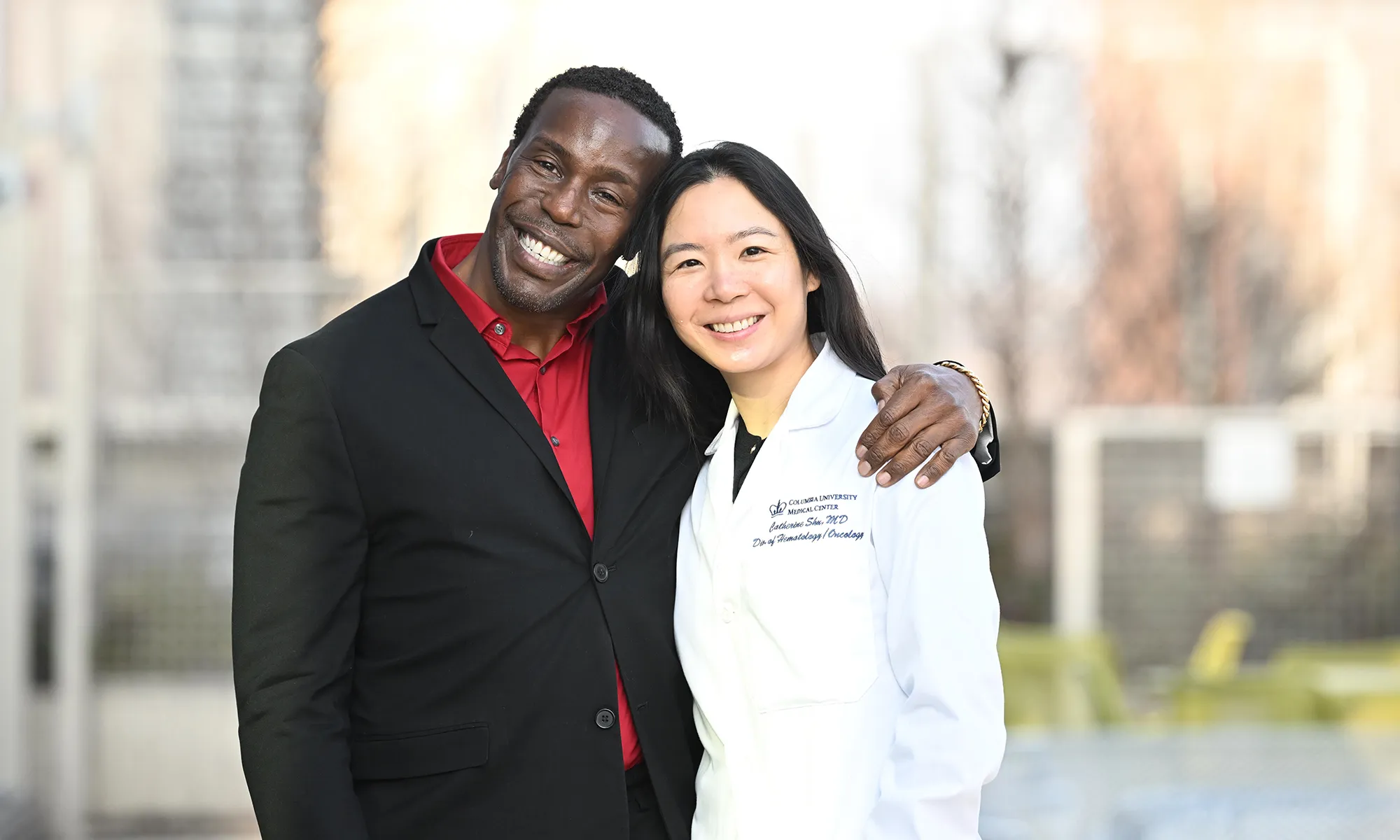
Thriving Through Cancer and Beyond

At Columbia, survivorship begins at the moment of diagnosis and continues through every step of healing—from mind to body to spirit.
Oswald Peterson was 49 when he learned he had stage IV lung cancer. Doctors told him he had only weeks to live. That was in 2017. Today, Oswald shows no evidence of disease. Thanks to a cutting-edge immunotherapy regimen given by his team at the Herbert Irving Comprehensive Cancer Center (HICCC), he has defied the odds and continues to thrive. “I was given a death sentence,” he says.
Acknowledgments

Acknowledgments

We continuously strive to honor the memory of Herbert and Florence Irving and the entire Irving family. Their enduring vision and generosity continue to guide and inspire the work that we do. The transformative support they set in motion has allowed the Herbert Irving Comprehensive Cancer Center to push the boundaries of cancer prevention, diagnosis, and treatment. Their legacy—and the ongoing generosity of every one of our benefactors allows us to sustain our mission to end cancer everywhere.

We also extend our heartfelt gratitude to our dedicated advisors and leadership. The members of our advisory committees provide invaluable guidance as we work to reduce the impact of cancer on patients, families, and communities. Our leadership team’s expertise and dedication continue to nurture a culture of collaboration, discovery, and whole-person cancer care.

Anil K. Rustgi, MD
Herbert and Florence Irving Director,
Herbert Irving Comprehensive Cancer Center
Herbert and Florence Irving Professor of Medicine
Chief, Cancer Services, NewYork-Presbyterian / Columbia University Irving Medical Center

Dawn L. Hershman, MD, MS, FASCO
Deputy Director,
Herbert Irving Comprehensive Cancer Center
Witten Family Professor of Medicine
Chief, Division of Hematology/Oncology

Contact

Herbert Irving Comprehensive Cancer Center (HICCC) at
NewYork-Presbyterian/Columbia University Irving Medical Center
1130 St. Nicholas Ave, New York, NY 10032
212.305.5098

Columbia Logo
Columbia Logo
Thanks for reading our 2025 Annual Report