


From Cells to Cures: The Revolution of the Living Drug
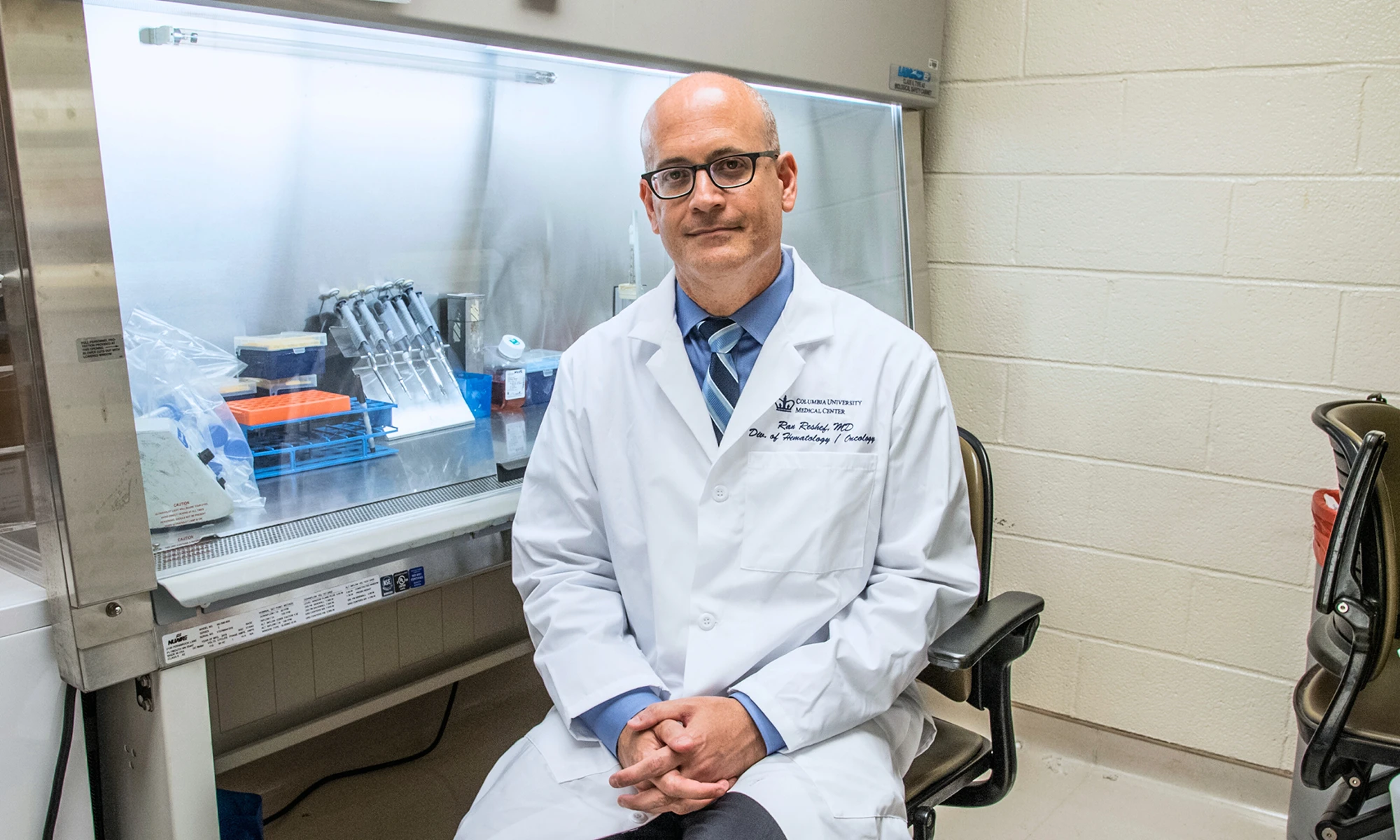
“Cell therapy has completely changed the landscape. For the first time, we are starting to use the word ‘cure’ in many diseases where it was previously considered impossible,” says Ran Reshef, MD, MSc, director of the adult cell therapy program at NewYork-Presbyterian Hospital/Columbia University Irving Medical Center and a member of the Herbert Irving Comprehensive Cancer Center (HICCC). “We have seen patients’ cancer completely go away – and stay away – after just one cell infusion.”
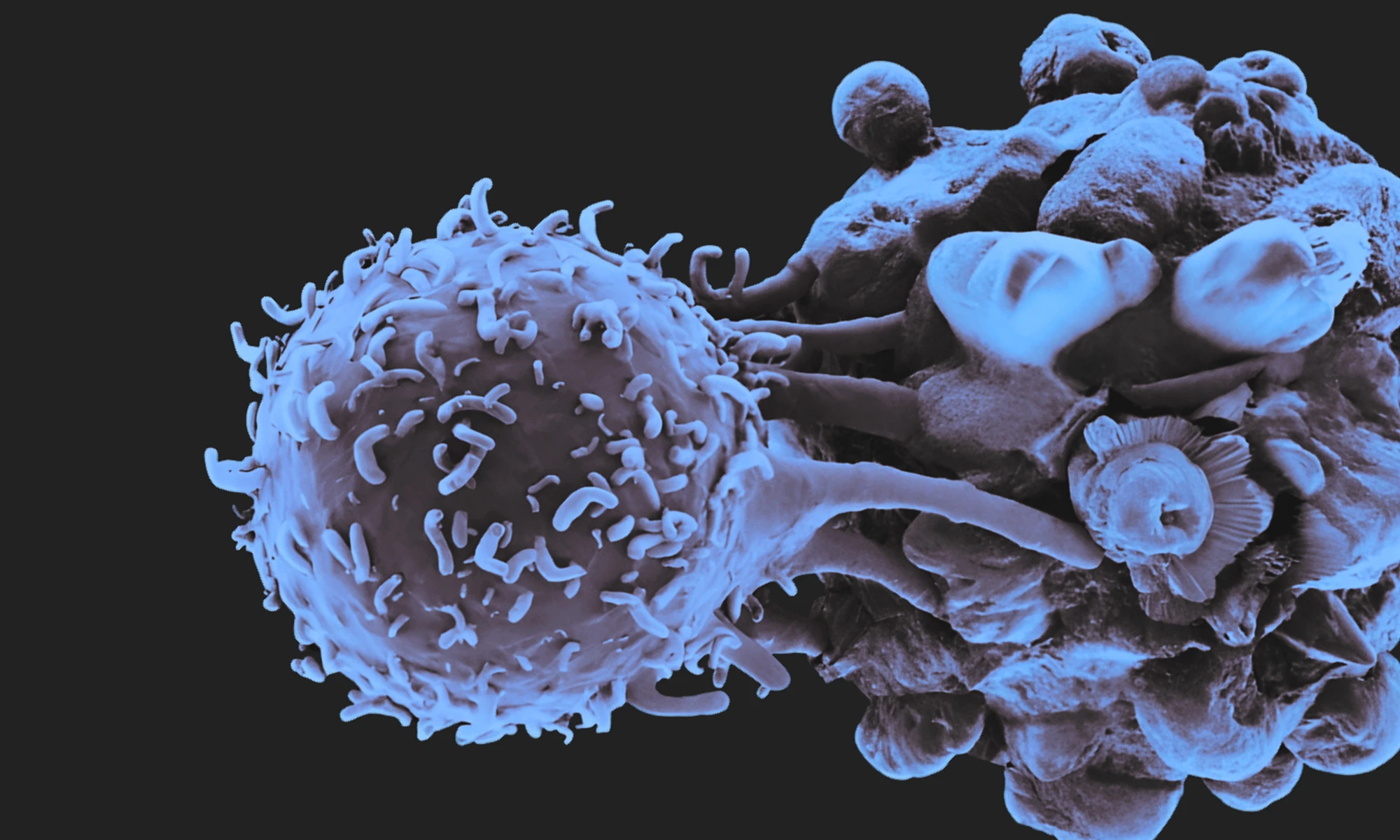
Harnessing the immune system to fight cancer is hardly new. Researchers have long understood that the role of immune cells and tumor cells are intertwined, and immunotherapy has become a mainstay in cancer therapy. Cell therapy builds on this foundation. While standard immunotherapy drugs are compounds formulated in the lab that patients often must take for years, cell therapies take cells from a patient’s body and engineer them to hunt down cancer cells and destroy them. The best example of this is CAR T cell therapy, where cells replicate and frequently endure in the body for years after treatment.
“We’ve seen these engineered cells still present in a patient treated once more than 10 years ago,” says Dr. Reshef. “These cells are also extremely potent, and we are able to eradicate sometimes kilograms of tumor with a single infusion.”
It may sound like science fiction, but the first engineered cell therapies were approved by the FDA eight years ago, following a long path of development. Researchers stress that, as with nearly all drug development, there was no one ‘eureka’ moment. Cell therapy is a culmination of decades of laboratory and clinical research.
Much of that began in the lab of Michel Sadelain, MD, PhD, whose arrival at Columbia marks the next chapter in a field he helped invent.
Columbia Initiative in Cell Engineering and Therapy
The Columbia Initiative in Cell Engineering and Therapy (CICET) was launched in 2025, building on Columbia’s strengths in cell therapy and accelerating the next generation of cell-based treatments. Under the direction of Michel Sadelain, MD, PhD, who also leads the Herbert Irving Comprehensive Cancer Center’s Cell Therapy Initiative, CICET unites Columbia’s scientists, engineers, and clinicians to translate the science of “living drugs” into practice.
By linking fundamental science, clinical innovation, and manufacturing under one framework, CICET provides the infrastructure, expertise, and regulatory pathway to move new therapies seamlessly from lab to patient. The center also serves as a catalyst for recruitment, training, and collaboration across disciplines, laying the groundwork for a future in which engineered cell and gene therapies are more effective and accessible across a wide range of diseases.

Building the First CAR
The concept of cell therapy dates back more than thirty years ago, when researchers began engineering modified cells expressing T-cell receptors. These “T-bodies,” while a feat of cell engineering, were not effective or durable in the human body.
Dr. Sadelain and his team, who had been at the front lines of the rapidly advancing new field, made a critical step forward when they found that introducing co-stimulatory proteins could stabilize and activate engineered T-cells. The team’s next major discovery came a short while later, when they proposed CD19 as a promising antigen – a trigger to activate immune cells – almost 15 years before its clinical implementation.
They called these new cells chimeric antigen receptor (CAR) T cells, after the mythical creature composed of different animals—an apt metaphor for the hybrid cells his team engineered by joining elements that had never coexisted in nature. The name also carries a touch of irony: in myth, a chimera is something imagined or unattainable, and what once seemed elusive in cancer therapy was becoming real.
“The crux of CAR T cells is that the medicine is not a pill, it’s not a chemical, it’s not a protein. It’s a human cell that’s been reprogrammed to eliminate cancer,” Dr. Sadelain says.
In 2007, Dr. Sadelain’s group became the first to treat a patient with CD19 CAR T cells. That single design now underlies five FDA-approved products that have transformed leukemia and lymphoma care and sparked a wave of cell therapy innovation.
- Herbert and Florence Irving Professor of Medicine, VP&S
- Founding Director, Columbia Initiative in Cell Engineering and Therapy (CICET)
- Director of the Cancer Cell Therapy Initiative, HICCC
- Member, Precision Oncology and Systems Biology Program, HICCC
Columbia’s Program: A Decade of Groundwork
When Dr. Sadelain arrived at Columbia, he stepped into one of the nation’s most active and clinically integrated cell therapy programs. Under the leadership of Dr. Reshef, Pawel Muranski, MD, and Markus Mapara, MD, PhD, NewYork-Presbyterian/Columbia University Irving Medical Center has built a patient-centered and research-focused infrastructure for delivering these complex therapies safely and effectively.
Since 2017, the Columbia cell therapy team has administered every one of the seven FDA-approved CAR T products. For some of these therapies, Columbia participated in the registrational trials, which means that Columbia patients had access to these life-saving drugs prior to their FDA approval. Dr. Reshef’s team has run more than 40 cell therapy clinical trials—many of which led to FDA approvals – and currently have more than 20 clinical trials open and enrolling. More than half of the program’s patients receive cell therapy as part of a research protocol, underscoring the emphasis on discovery and innovation.
The team continues to expand first-in-human and early-phase studies across multiple cancer types. “We learn from each individual patient who participates in a clinical trial and CAR T trials tend to be very complex,” Dr. Reshef says. “That requires an entire ecosystem of expertise—from cell collection and processing to side effect management and long-term follow-up.”
To meet that challenge, they established a centralized model of care within the bone marrow transplant and cell therapy service: all CAR T patients are treated in a specialized unit that is equipped with HEPA-filtered rooms with high nurse-to-patient ratios and around-the-clock access to cell therapy physicians, neurologists, cardiologists, and intensive-care specialists. “We wanted one program that manages every CAR T patient on our campus—research and commercial alike—so the same expert team oversees the entire process,” explains Dr. Mapara, director of the Adult Blood and Marrow Transplantation (BMT)/Cell Therapy Program at NewYork-Presbyterian/Columbia University Irving Medical Center. “It’s one of the first fully centralized units of its kind.”
Foundational to the clinical infrastructure is Dr. Muranski’s Cellular Immunotherapy Laboratory (CITL), which has been generating Columbia-made T cells since 2022 under investigator-initiated clinical trials. Dr. Muranski’s team has developed virus-specific T cell therapies that have successfully treated difficult infections and virus-related cancers in immunocompromised adults and children, including those who have undergone organ or bone marrow transplants. Now they are turning their attention to developing novel T-cell therapies targeting a range of cancers.
The CITL current Good Manufacturing Practice (cGMP) team, beyond manufacturing in-house developed immune therapies, provides critical logistical support for all clinical trials involving CAR T cells and other cell therapy products studied at Columbia. Their work enables the transfer of new treatments directly from lab bench to bedside within the same institution—a capability that will expand dramatically with the launch of CICET’s new, cutting-edge cell manufacturing center in 2026.
“Many immunotherapies originated at academic institutions and then they are developed further by industry,” Dr. Muranski says. “We’re not trying to replicate what industry is doing. The idea is to innovate and produce the next generation of cell therapies. Having CICET here puts us on a completely different level in terms of expertise and capabilities, and we’re very excited by the possibilities.”
“The recruitment of Dr. Sadelain is, of course, a major game changer,” adds Dr. Reshef. “He brings in a lot of enthusiasm and creativity, and we are ready to test any novel product that comes out of his new cell manufacturing facility. Our patients will have access to some of the most creative and innovative therapies.”
- Professor of Medicine, Columbia University Vagelos College of Physicians and Surgeons
- Director of Translational Research, Blood and Marrow Transplantation Program
- Director, Adult Cell Therapy Program, NewYork-Presbyterian/Columbia University Irving Medical Center
- Principal Investigator, Columbia Center for Translational Immunology (CCTI)
- Member, Tumor Biology and Microenvironment Program, Herbert Irving Comprehensive Cancer Center
- Assistant Professor of Medicine, VP&S
- Director of Cellular Immunotherapy Laboratory, CUIMC and NewYork-Presbyterian
- Principal Investigator, Columbia Center for Translational Immunology (CCTI)
- Member, Tumor Biology and Microenvironment Program, HICCC
- Clyde ’56 and Helen Wu Professor of Clinical Oncology (in Medicine), Columbia University Irving Medical Center
- Director, Adult Blood and Marrow Transplantation (BMT)/Cell Therapy Program, NewYork-Presbyterian/Columbia University Irving Medical Center
- Principal Investigator, Columbia Center for Translational Immunology (CCTI)
- Member, Precision Oncology and Systems Biology Program, HICCC

Bridging CARs to Solid Tumors
CAR T cell therapy has proven transformative in blood cancers, but its effectiveness in solid tumors remains elusive. Solid tumors’ heterogeneity in protein expression, overlapping with healthy tissues, and their suppressive microenvironments all conspire to blunt an immune attack that could be levied by CARs. Experts from the HICCC are now working to extend the benefits of groundbreaking CAR T therapy to more cancers—including sarcoma, prostate cancer, gastrointestinal cancers, and others.
“As of about two years ago, we are seeing that the number of clinical trials for CAR T cell therapy in solid tumors is surpassing those of blood cancers,” says Dr. Reshef. “While this is encouraging, it also illustrates the challenges—there have been no home runs yet but some of the lessons we learned from early trials are already translating into promising new therapies.”
The very features that made Dr. Sadelain’s CD19-targeted CAR T cells successful in blood cancers underscore why solid tumors are more complex. The CD19 antigen is an almost perfect target: it’s expressed across a broad range of B-cell malignancies and is found only on B cells, malignant or healthy. When CAR T cells bind CD19, they eliminate both populations, causing B-cell aplasia—a manageable side effect treated with antibody infusions if needed. If the target antigen was also expressed widely in normal tissues, such destruction could be catastrophic.
Solid tumors, however, rarely offer such clean targets. They are notoriously heterogeneous: antigens present on some tumor cells may be absent on others, making it difficult to identify a universal receptor like CD19. And many of the antigens that do exist are shared by healthy tissues, raising the risk of severe collateral damage.
Compounding the problem, solid tumors build defenses. They secrete immune-suppressing factors such as PD-L1, which can exhaust or deactivate T cells. Their microenvironment—a dense network of tumor cells, supporting host cells, signaling molecules, and extracellular matrix—acts as both barrier and decoy, shielding cancer cells from attack.
Dr. Reshef’s laboratory is tackling these issues from multiple angles. By studying the mechanisms that guide T-cell migration, his team is identifying new ways to steer engineered T cells safely into tumor sites, bypassing immune roadblocks. “We’re applying lessons from the stem-cell transplant field to improve T-cell homing to tumors,” he explains. “The goal is to make cell therapy effective for solid tumors without compromising safety.”
Columbia has been at the forefront of developing cell therapy for one solid tumor in particular: prostate cancer. A notoriously ‘cold’ tumor, prostate cancer does not elicit a strong immune response, making it resistant to most immunotherapies. Mark Stein, MD, a genitourinary oncologist at NewYork-Presbyterian/Columbia University Irving Medical Center, is leading several clinical trials testing next-generation CAR T-cell therapies designed to turn up the immune heat in these tumors. By targeting unique antigens such as PSMA and other prostate-specific proteins, these engineered cells can bypass the cancer’s molecular “cloaking devices,” seeking and destroying the malignant cells where other drugs have not been able to.
Meanwhile, Dr. Sadelain’s group at CICET is addressing the same challenge through design—engineering “smarter” CAR T cells that can sense the tumor microenvironment and activate only within it, or that secrete cytokines – immune regulators that help the CAR T cells to do their job – precisely where they’re needed. These advances represent a major step toward extending the success of CAR T therapy far beyond blood cancers.
Re-Engineering the Future
With several new recruitments led through Columbia’s expanding cell-therapy enterprise, the field is gaining both new expertise and new direction.
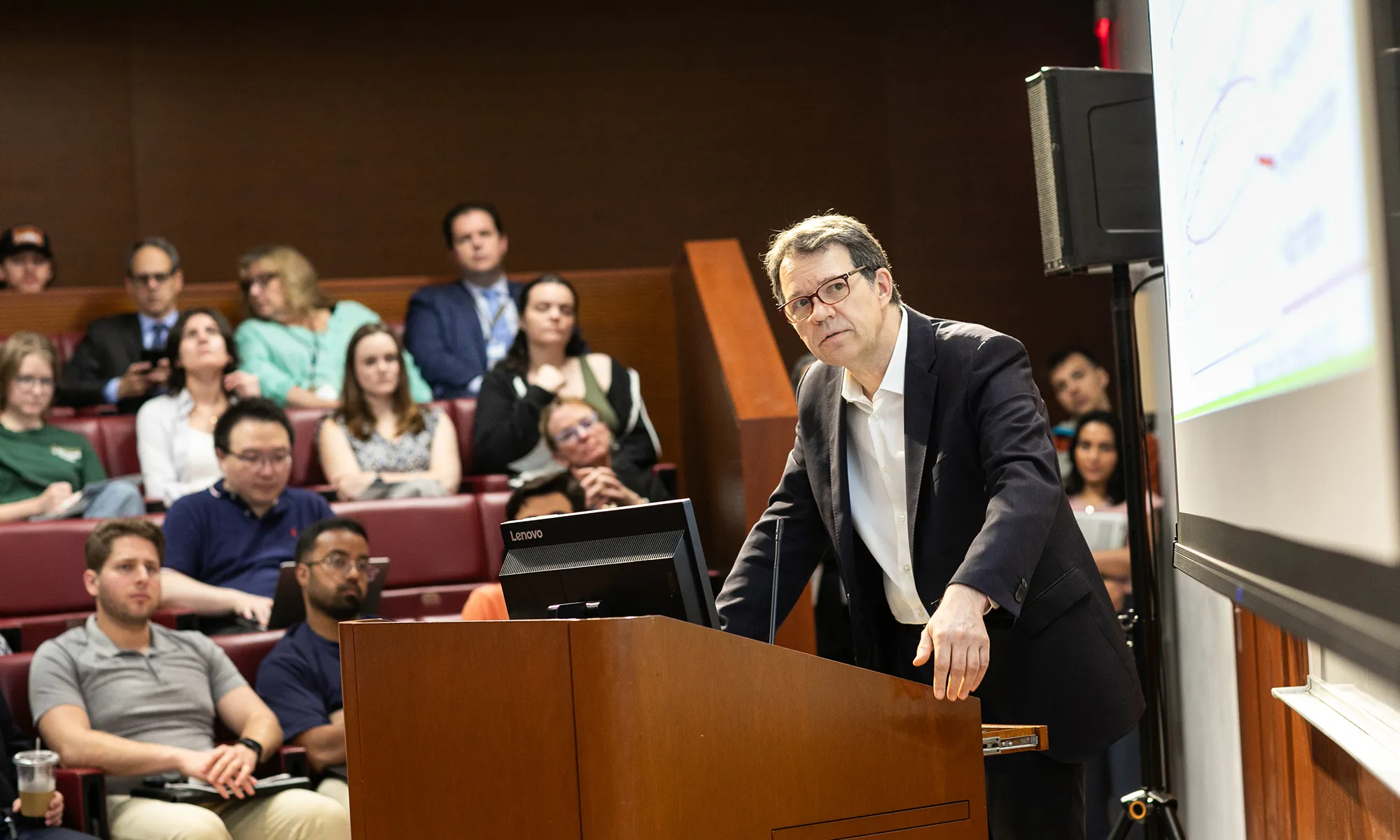
“Our focus is on assembling top experts across the full continuum—from discovery to clinical care,” says Dr. Sadelain. “That’s how we’ll design safer, more effective, and more accessible cell therapies for the future.”
Sascha Haubner, MD, was the first faculty member recruited to CICET. His research focuses on designing next-generation immunotherapies for challenging cancers such as acute myeloid leukemia, where conventional CAR T strategies have struggled. With Dr. Sadelain, he engineers “logic-gated” CAR T cells—programmed with molecular circuits that recognize multiple tumor markers before activating—to increase precision and reduce toxicity.
Other recent recruits include Maksim Mamonkin, PhD, and Liora Schultz, MD, who are leading efforts to advance cell therapies for childhood cancers. Dr. Mamonkin, a leader in T-cell immunotherapy, is creating next-generation CAR designs and manufacturing strategies tailored to pediatric malignancies. Working alongside him, Dr. Schultz brings deep clinical expertise in translating these therapies to the bedside, ensuring that breakthroughs in the lab reach young patients.
With this surge of expertise, Columbia investigators are looking to the future—advancing cell therapy toward greater precision, safety, and reach.
Allogeneic, or “off-the-shelf,” CAR T cells are one avenue. Rather than using each patient’s own exhausted T cells, researchers hope to create universal batches of CAR T cells from healthy volunteers. “Why take cells from a heavily pretreated cancer patient when we can generate multiple batches from a healthy donor?” Reshef says. The challenge is preventing immune rejection and ensuring long-term persistence, research questions that Reshef’s lab has been working on in other related avenues.
Another frontier is in vivo cell engineering—modifying T cells directly inside the body rather than in a lab dish. “Think of it more like sending a small team of engineers directly into the body rather than pulling blood cells out and sending them to the factory,” Dr. Reshef explains. “We’d inject a specialized genetic instruction—a vector—that finds the existing T cells and effectively reprograms them on the spot to target the disease.” Early studies suggest this approach could slash production costs and eliminate the need for pre-treatment chemotherapy, a major plus for patients.
Finally, AI-powered discovery is beginning to transform the field. Dr. Reshef’s lab uses computational biology and single-cell sequencing to identify biomarkers of response and resistance. “We still don’t fully understand why some patients respond and others don’t,” he says. “Artificial intelligence is giving us a window into those mechanisms, helping us design truly personalized therapies.”
A Convergence of Innovation
At the heart of Columbia’s effort is collaboration—between biomedical engineers, clinicians, and data scientists, and across programs like CICET and the HICCC’s Cancer Cell Therapy Initiative.
“This initiative brings together one of the world’s foremost cell-therapy pioneers, a robust clinical research infrastructure, and a cancer center deeply rooted in translational science,” says Anil K. Rustgi, MD, director of the HICCC. “By uniting CICET’s engineering power with HICCC’s multi-disciplinary researchers and clinicians, we’re accelerating the journey from idea to impact.”
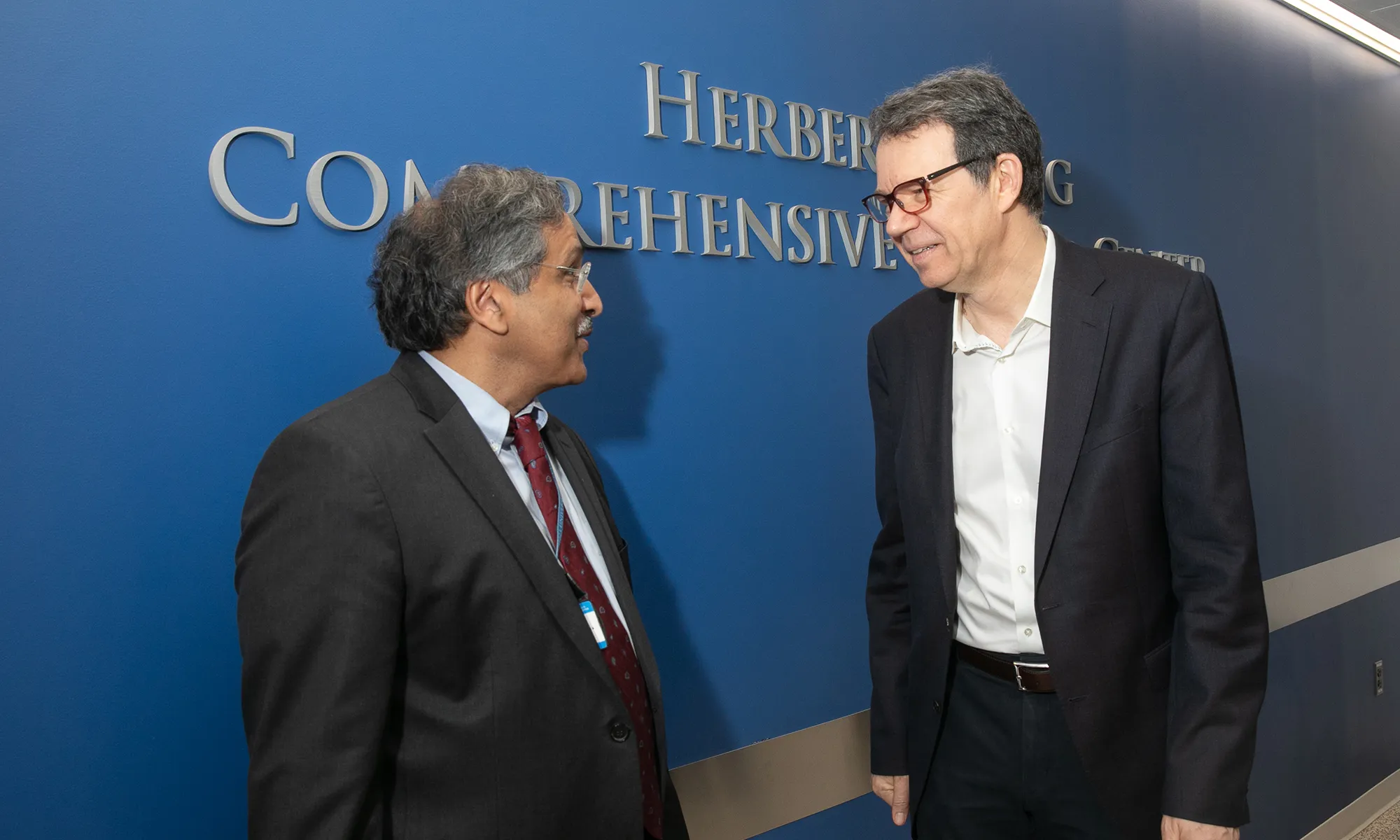
“We want to establish a comprehensive academic ecosystem, from basic science to manufacturing to clinical translation,” adds Dr. Sadelain. “Columbia has a vast array of departments and specialized centers, especially the Herbert Irving Comprehensive Cancer Center, which provide outstanding venues for conducting clinical trials and delivering cell and gene therapies.”
The ultimate goal, Dr. Sadelain says, is not just better therapies but broader access. “Making a therapeutic cell is more expensive than making a chemical,” he explains. “If you make better cells, you will need fewer cells. So we keep doing research to improve the efficacy and safety of engineered cells.”
After decades of development, the field of cell therapy is reaching a decisive moment. Advances in engineering, manufacturing, and data science are converging to move cell therapy from a specialized treatment into, potentially, a cornerstone of modern cancer care.
“We’re at an inflection point,” says Dr. Reshef. “For years, cell therapy was limited to a handful of blood cancers. Now we’re learning how to make it work across many cancer types—and that’s going to change how we think about cancer treatment altogether.”
- Herbert and Florence Irving Professor of Medicine, VP&S
- Founding Director, Columbia Initiative in Cell Engineering and Therapy (CICET)
- Director of the Cancer Cell Therapy Initiative, HICCC
- Member, Precision Oncology and Systems Biology Program, HICCC
- Professor of Medicine, Columbia University Vagelos College of Physicians and Surgeons
- Director of Translational Research, Blood and Marrow Transplantation Program
- Director, Adult Cell Therapy Program, NewYork-Presbyterian/Columbia University Irving Medical Center
- Principal Investigator, Columbia Center for Translational Immunology (CCTI)
- Member, Tumor Biology and Microenvironment Program, Herbert Irving Comprehensive Cancer Center
- Assistant Professor of Medicine, VP&S
- Director of Cellular Immunotherapy Laboratory, CUIMC and NewYork-Presbyterian
- Principal Investigator, Columbia Center for Translational Immunology (CCTI)
- Member, Tumor Biology and Microenvironment Program, HICCC
- Clyde ’56 and Helen Wu Professor of Clinical Oncology (in Medicine), Columbia University Irving Medical Center
- Director, Adult Blood and Marrow Transplantation (BMT)/Cell Therapy Program, NewYork-Presbyterian/Columbia University Irving Medical Center
- Principal Investigator, Columbia Center for Translational Immunology (CCTI)
- Member, Precision Oncology and Systems Biology Program, HICCC