


Lung Cancer Screening on Wheels
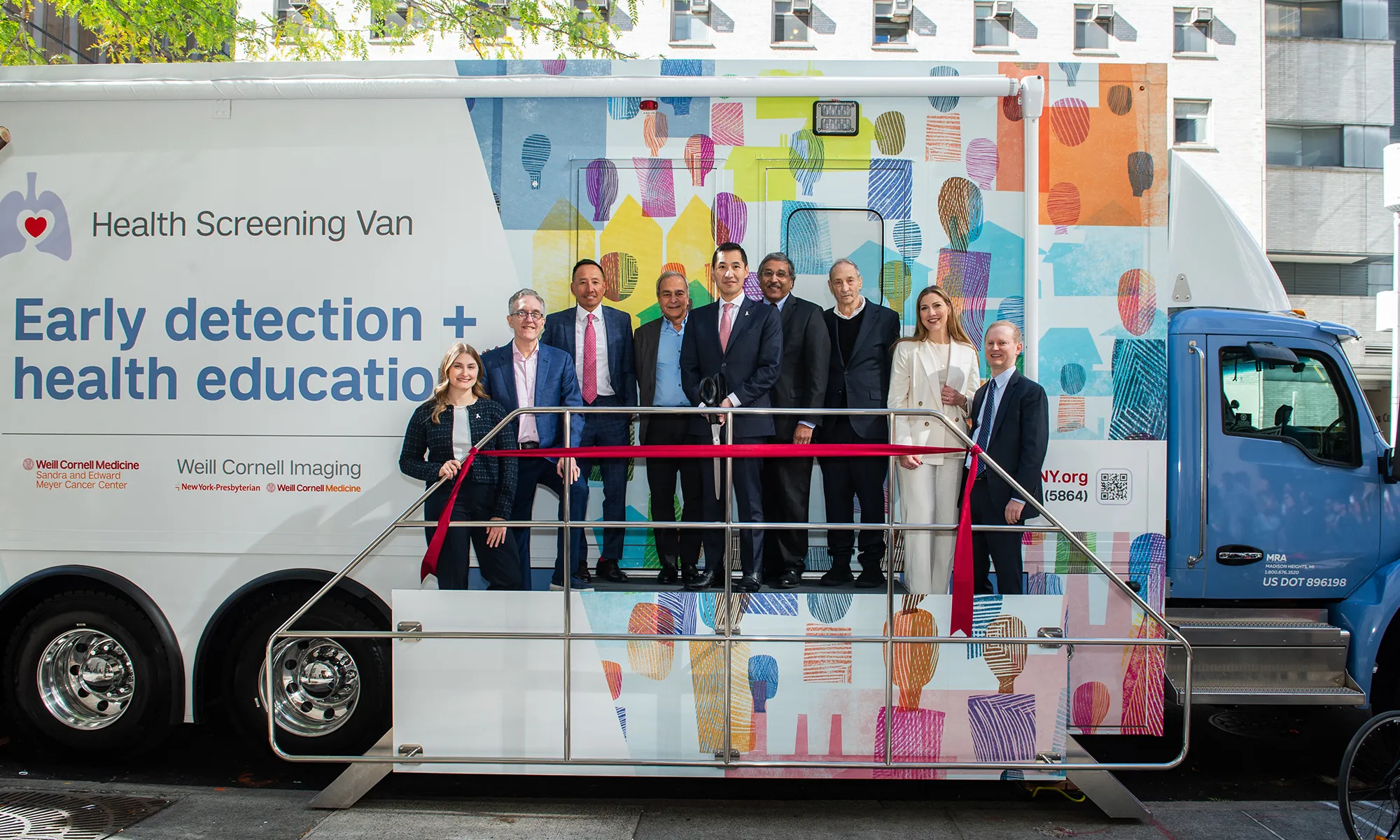
The van is powered by Weill Cornell Imaging at NewYork-Presbyterian, the Columbia University Herbert Irving Comprehensive Cancer Center (HICCC), and the Sandra and Edward Meyer Cancer Center at Weill Cornell Medicine, and made possible by a generous gift from the MacMillan Family Foundation.
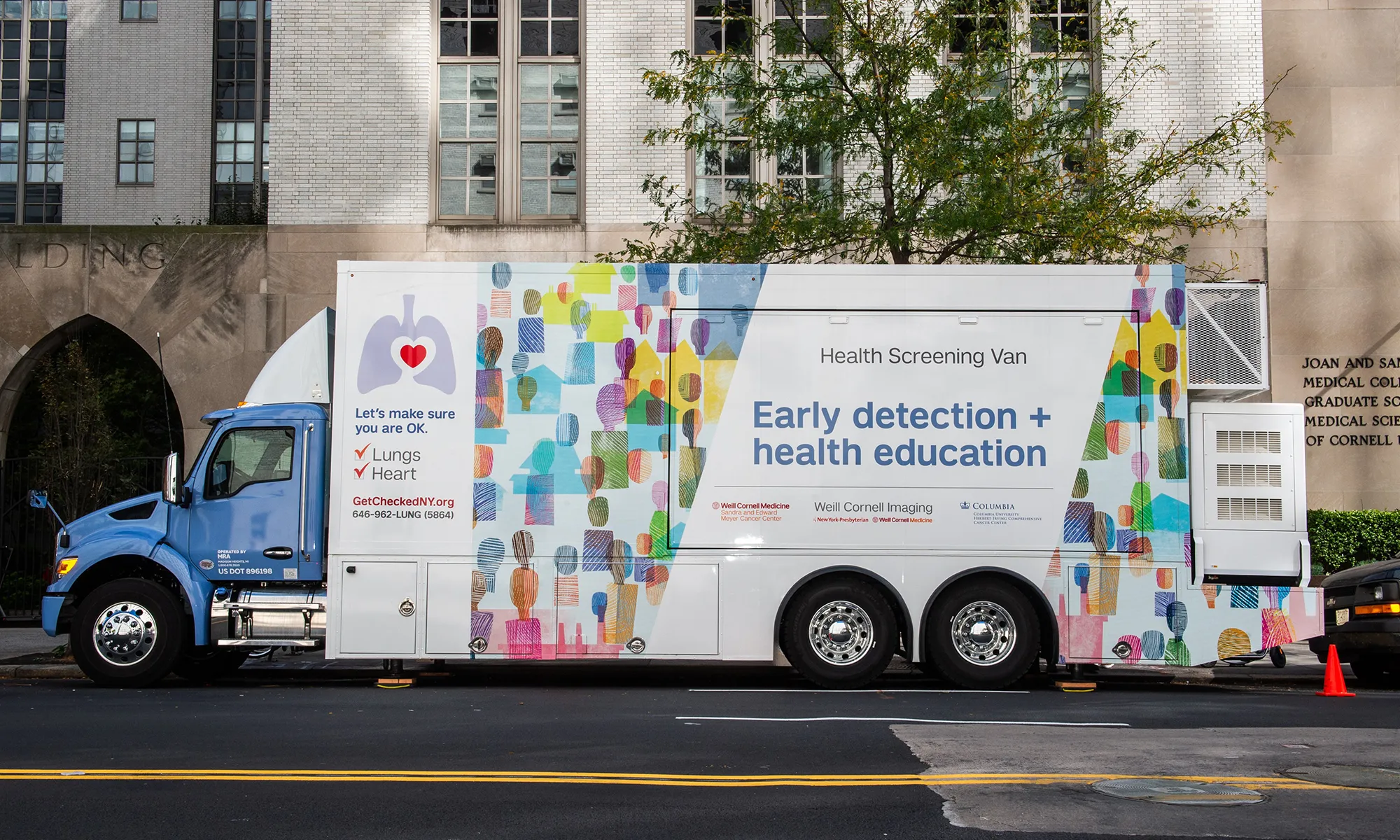
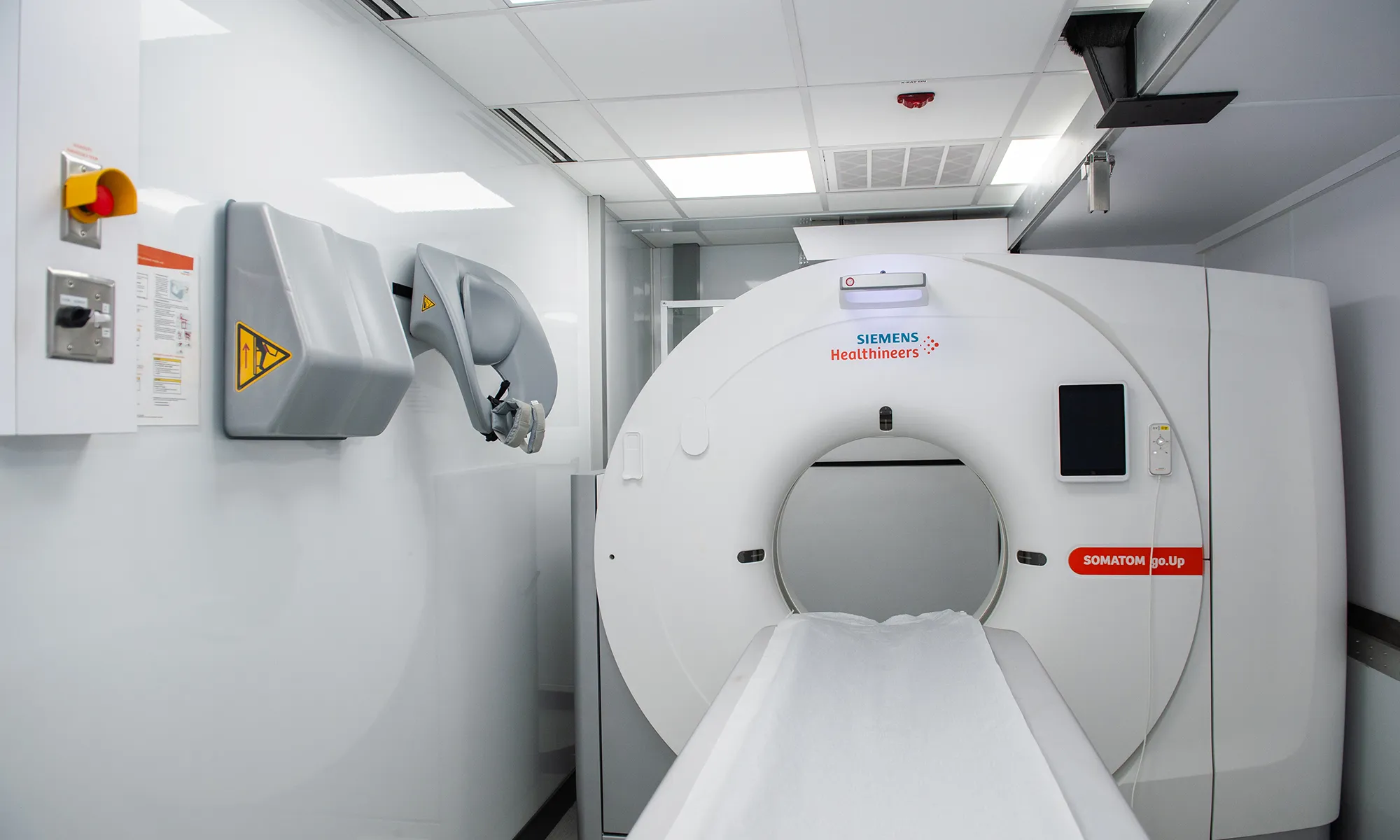
Outfitted with a state-of-the-art low-dose CT (LDCT) scanner, the 40-foot mobile unit is one of the few in the nation and the very first in New York City to offer lung screenings through a fully operational van.
Reaching High-Risk Adults Where They Are
“Too often, geography, transportation, or confusion about where to go can prevent patients from getting screened,” says Phoenix A. Matthews, PhD, MS, co-director of HICCC’s Community Outreach and Engagement (COE) office. “We wanted to flip that model and bring the care to them.”
“The initiative to lower lung cancer disparities through New York City’s first mobile LDCT unit truly reflects the collaborative spirit of our cancer center,” says Anil K. Rustgi, MD, director of the HICCC. “By coming together with our partners at NewYork-Presbyterian and Weill Cornell Medicine, and with the tremendous support of our donors, it’s a powerful example of what we can achieve when academia, medicine, philanthropy, and community outreach work in synergy.”
Lung cancer remains the leading cause of cancer death in the U.S. Yet fewer than 19% of eligible New Yorkers currently receive recommended screening. LDCT scans are the only approved test for early lung cancer detection, and they’ve been proven to reduce deaths by catching disease at more treatable stages.
It is currently only recommended for adults who are at high risk for developing the disease because of their smoking history and age.
- Professor of Behavioral Sciences (in Nursing), Columbia University School of Nursing
- Co-Director, Community Outreach and Engagement Core, HICCC
- Member, Cancer Population Science Program, HICCC
- Assistant Professor of Surgery, Vagelos College of Physicians and Surgeons
- Director, Lung Cancer Screening Program, Columbia University Irving Medical Center
Lung Screening at Columbia
Columbia’s comprehensive lung screening program brings together specialists to care for current and former smokers at high risk for lung cancer. At the heart of the program is the low-dose CT (LDCT) scan—a quick, painless exam that takes about 10 minutes and produces detailed images of the lungs.
Who’s eligible: Adults ages 50–80 (50–77 for Medicare) who currently smoke or quit within the past 15 years, have a 20+ pack-year history, and show no symptoms of lung cancer. When done annually, LDCT screening can reduce the risk of dying from lung cancer by more than 20%.
Stationed at Federally Qualified Health Centers and HICCC’s community partner sites, the van is designed to reach neighborhoods where access to care is limited.
Embedding Prevention in the Community
HICCC’s COE office are using their rich network of community partners throughout the center’s catchment area to connect the van to local health fairs, organizations, and faith-based events, weaving cancer prevention into the everyday life of the communities facing high burdens of lung cancer.
Beyond health and cancer screenings, the mobile lung cancer screening program offers a blueprint for reducing health inequities. By removing barriers to care, the initiative opens the door to earlier detection, better outcomes, and healthier futures across New York.
“We at Columbia are excited to join Weill Cornell Medicine and NewYork-Presbyterian in this important effort to expand access to lung cancer screening in our region,” says Bryan Payne Stanifer, MD, founding director of the lung cancer screening program at Columbia University Irving Medical Center. “This is a win for all three institutions, but most importantly, it’s a win for patients facing lung cancer,” adds Dr. Stanifer, noting that the mobile unit uses the same advanced CT technology found at Columbia’s imaging centers in Manhattan and Westchester.
A Model for Lung Cancer Equity
The initiative will also generate valuable data to inform future research aimed at understanding how lung cancer risk and screening rates vary across New York City’s different geographic and demographic neighborhoods. By revealing where the need is greatest – communities with the highest burden of disease and the lowest screening rates – researchers can develop more targeted outreach and interventions, like the mobile screening van, that bring early detection directly to the people who need it most.
“This van is about more than screening,” says Matthews. “It’s about trust, accessibility, and giving every community the chance to benefit from the very best in cancer prevention.”
- Professor of Behavioral Sciences (in Nursing), Columbia University School of Nursing
- Co-Director, Community Outreach and Engagement Core, HICCC
- Member, Cancer Population Science Program, HICCC
- Assistant Professor of Surgery, Vagelos College of Physicians and Surgeons
- Director, Lung Cancer Screening Program, Columbia University Irving Medical Center